Creatine has a reputation for delivering “instant gains,” but does it actually live up to the hype? Today we’re digging into whether this chalky, gym-staple supplement really boosts performance or whether this is just another fitness fad. We’ll break down how creatine works, why it’s used for high-intensity training, and what it can realistically do for your strength and endurance.
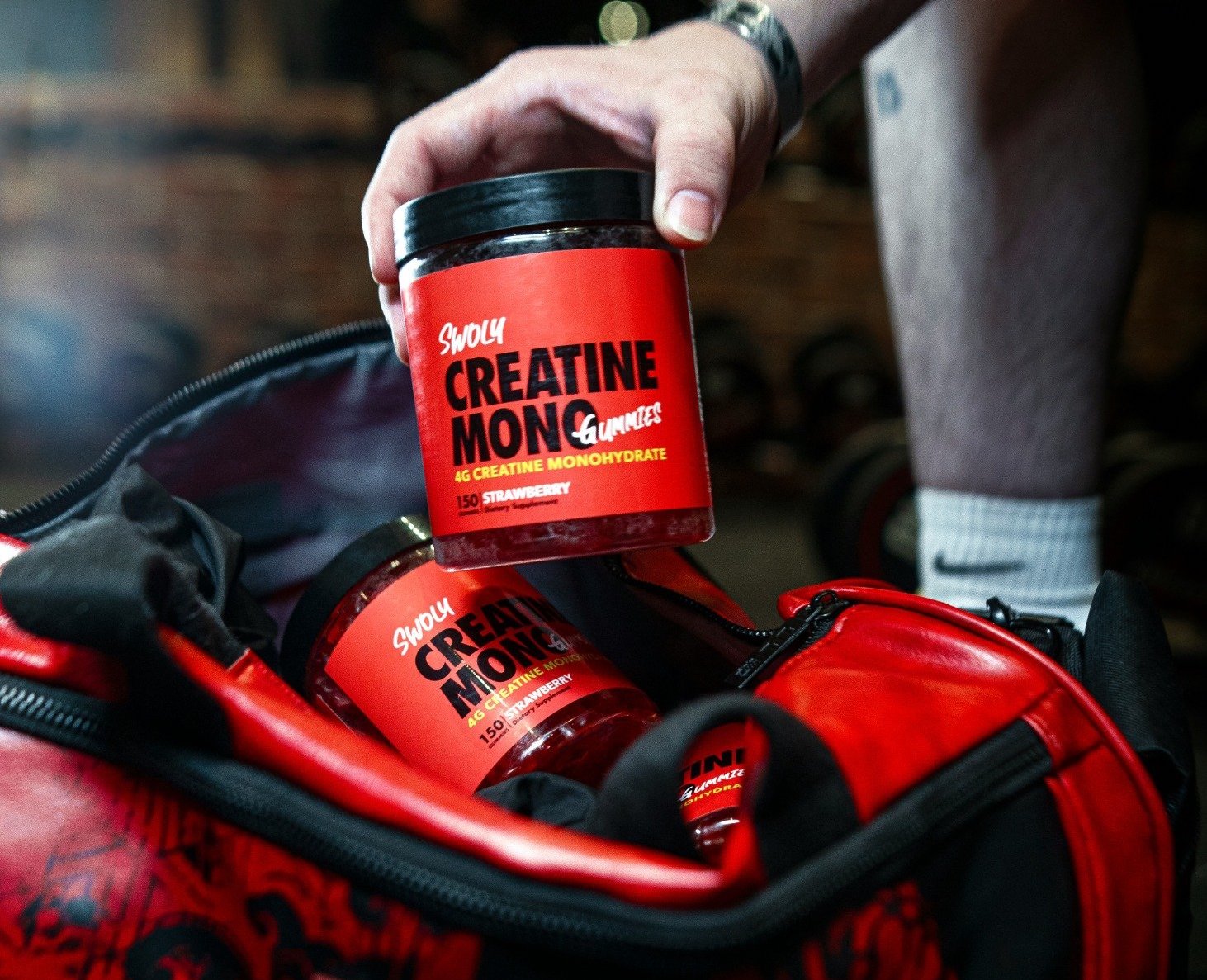
I don’t know about you all, but when I think of creatine, I think of instant muscles. I think of pounding protein powder, the gains, and of all my IG fitness inspos. I can’t be alone in the temptation to join the gym peeps in adding creatine to my routine for some gains, but does taking this chalky powder even work? Can it immediately add 5 lbs to all of my PRs or personal records?
Or is this just another gym fad?
And if it does work…how?
I finally decided that it’s time for me to answer some of my questions, and get some guidance on whether it’s worth adding creatine to my gym routine. Today, we’re going to dig into what I’ve learned. We’ll talk about what creatine is, how it works, and ultimately be able to decide whether it’s a supplement we want to add to our routine.
Without further ado, creatine.
To start, creatine is a naturally occurring substance in our bodies.
It’s mostly stored in cells in our muscles as something called phosphocreatine and is used to help make one of the body’s main sources of energy, adenosine triphosphate or ATP.1 Whenever our bodies need energy, like to bend or stretch a muscle (even a pinky), our cells turn to ATP. The cells break down this energy source for the body to use.
Since ATP is needed for even the smallest of movements, we go through a LOT of ATP each day.
Think about this, ATP is used every time we walk, talk, or blink, and a muscle only has enough ATP for 2-3 seconds of moving at maximum effort. So if we try to sprint, each muscle used when sprinting only has enough ATP to sprint for 2-3 seconds…
That means we need a crazy amount of ATP to get through our general activity levels, and since ATP is spent so quickly we need to be able to make more, fast. That’s where creatine comes in, and helps make more ATP.
However, muscles can only store so much creatine at one time.
Our muscles without a creatine supplement are only about 70%-80% full of creatine.2 This is because our bodies don’t naturally produce enough creatine to get to 100%, and it’s hard to naturally get that much extra creatine from our diets.
However, with the creatine supplement, these reserves can increase by 20%-40%, bringing the amount of creatine stored in our muscles to 100%.
That means that with a supplement, our body has a lot more creatine available to make more ATP, and create more energy for our muscles to use. This extra creatine is particularly helpful for… you guessed it!
Gym things!
Creatine supplements can help increase energy in our muscles enough to be able to increase our ability to exercise for longer, particularly for more-intense, shorter-duration activities like sprints or lifting weights.1,3,4 Some people taking creatine supplements may experience being able to lift heavier for more reps, recover faster between sets, or train at higher volumes.
While the results of taking creatine supplements sound promising, it’s important to remember how it works.
A common misconception with creatine, is that it alone makes our muscles grow, and it alone is the reason we get stronger, but creatine doesn’t work like that.
We can think of creatine as a plant fertilizer.
We’ve potted our plants in a well-fertilized soil that we’ve been using for years, it works pretty well, and our plants are growing at a normal rate. Then one day, we sprinkle some extra fertilizer in, and that fertilizer gives our plants a boost, feeding them so that they’re able to work more and grow more.
Creatine supplements act as the fertilizer; they give our bodies the tools to create more energy, letting us work harder. This ability to train at higher intensities can then, over time, lead to actual increases in the amount of muscle we have.1,4,5
The key to seeing the benefits of creatine supplements is to combine it with some type of resistance training, eg, weight lifting. It’s unlikely that we’d see any real gains if we take creatine without exercising.
Along with increasing the amount of energy available for our muscles to use, creatine supplements have been associated with weight gain.
This is because creatine is a thirsty little molecule. It pulls more water into our muscles, and as our muscles absorb and hold onto the water, our weight may increase. This is known as water retention, and when taking creatine, can be completely normal.6,7
A fun fact about creatine! Creatine is one of the most-studied supplements available.3 This means that both its effectiveness and its safety have been well evaluated.
Many international sports-nutrition organizations have studied it and have said that it’s safe for healthy people when used as guidelines say it should be.3
The biggest concerns around creatine supplements are usually related to effects on the liver and kidneys. This is because when the body is done using creatine, it turns it into something called creatinine that is then thrown out of the body through the kidneys.8
When used in excess, above what’s considered safe, creatine can increase the amount of work the liver and kidneys have to do, potentially damaging them over time; but as long as we’re healthy and only take what we’re supposed to, then we shouldn’t have to worry about this.3,8
Note, if you are someone with liver or kidney damage, have a disease/disorder that affects the liver or kidneys, or are on any medications, it’s important to talk to a doctor before taking any type of creatine supplements.
It’s also important to talk to your doctor before taking any creatine supplements if you have diabetes or high blood pressure, as these could affect the liver and kidneys; creatine supplements in combination with these can lead to organ damage.
Creatine supplements can also cause stomach issues like bloating, cramping, nausea, or diarrhea.8
These side effects are mostly limited to a phase called the “loading phase,” which we’ll talk about in the “How to take a creatine supplement” section below, and is mostly due to water absorption and caused by the extra creatine in our bodies.
Creatine is usually taken as creatine monohydrate and is mostly recommended for individuals in high-intensity training regimens.
Creatine supplements are often taken in two phases, a loading phase and a maintenance phase, and may be most effective if taken directly after a workout as part of a nutritious meal, but benefits can still be seen if it’s taken at other times like before breakfast or at bed time.
Loading Phase: The loading phase is a 5-7 day period where someone takes a large amount of creatine supplement (20 g/day) across 3-4 small doses throughout the day.4,8
This is done to get the creatine stored in the muscles to 100% as fast as possible.
This phase is not completely necessary; we can go straight to the maintenance phase, but skipping the loading phase means it can take 3-4 weeks before the amount of creatine in our bodies reaches 100%.
Maintenance Phase: The maintenance phase is basically the phase where we continuously take the amount of creatine supplement (3-5 g/day) we would need to continue to keep maximum amounts of creatine stored in our bodies.4
Overall, it seems like creatine supplements can be the most beneficial for people participating in high-intensity workouts. Here’s some of the key takeaways:
Now we know about creatine supplements. What do you think? Are they worth it?
Closing note: While this article was written to focus on how creatine supplements may help with physical gains–the main use of creatine supplements–I’d be remiss if I did not mention that during my research, I came across a few sources mentioning potential mental benefits of taking creatine. Since my focus and research in writing this article was on the physical benefits of creatine, I’ve refrained from going into the mental side, but the future may hold another article that digs into what that means!
Written by: Nahdia Jones, PhD
References: